

Theoretical framework: Media and communication in the digital age
Dive into the foundational theories that shape our understanding of media and communication in today's rapidly evolving digital world. This page unpacks key concepts, connecting them to contemporary issues and phenomena.
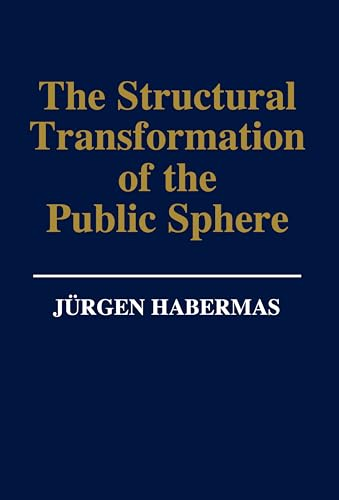
Public sphere (Habermas)
The public sphere, discovered by Jürgen Habermas, refers to a space where individuals can discuss and debate public concern and collectively form public opinion. This space aims to be inclusive, and free from domination by political or economic forces. Habermas argued that the bourgeois public sphere emerged in the 18th century as a space for critical rational debate. In contemporary media environments, the public sphere has expanded into digital platforms such as social media, where citizens can directly participate. Understanding the public sphere is crucial for analysing the quality and accessibility of public discourse in the digital age.
This video helps to give a deeper dive into the theory of Public Sphere by Jürgen Habermas

Jenkins, H. (2006). Convergence Culture: Where Old and New Media Collide. NYU Press. http://www.jstor.org/stable/j.ctt9qffwr
Cultural convergence
Cultural convergence, this describes the merging of different cultures and media forms due to globalisation and the wide spread of digital technologies. It encompasses technological convergence (phones as cameras, computers, and music players, etc.), media convergence (news across different platforms, etc.), and participatory culture. Henry Jenkins is a prominent scholar associated with this concept, highlighting how media industries and audiences interact in new ways. In the digital age, cultural convergence is evident in global trends, cultural expressions, and the blending of traditional and new media. This theory matters because it helps us understand how cultures and media evolve and intertwine in a globally connected world. The Book Convergence Culture by Henry Jenkins further dives into the intersection of old and new media, elaborating on the cultural shifts brought about by media convergence.
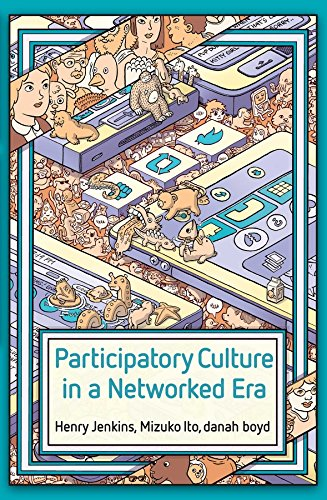
Participatory culture / prosumers (Jenkins)
Participatory culture, championed by Henry Jenkins, refers to a culture where consumers are also producers of content, actively engaging with and contributing to media. Prosumers are individuals who both consume and produce media, blurring the lines between traditional roles. Jenkins work again explores how digital technologies empower audiences to create, share, and remix content, supporting communities and new forms of expression. With the rise of social media platforms and user generated content, participatory culture defines much of modern digital interaction. This concept is vital for understanding audience engagement and the shifting power dynamics in contemporary media.

Further information:
Book Review
Jenkins, H., Ford, S., & Green, J. (2018). Participatory culture in a networked era. Journal of Communication Inquiry, 42(2), 139–146. https://doi.org/10.1177/2059436418771394

Fake news and misinformation
Fake news refers to fabricated information that mimics news media content in form but not in organisational process or intent, while misinformation is broadly inaccurate information. This phenomenon involves the deliberate spread of false or misleading content, often with political or financial motivations. This is done through aspects such as Ai and Deepfakes. While not tied to a single theorist, the study of fake news draws on theories of media effects, propaganda, and trust in institutions. In the digital age, social media algorithms and rapid sharing mechanisms amplify the spread of fake news and misinformation. Addressing fake news is critical for maintaining an informed public and democratic discourse in today's media landscape.
Crisis communication theory
Crisis communication theory shows how organisations should communicate during a crisis to protect their reputation and correctly manage public perception. It focuses on strategies for responding to negative events, minimising damage, and maintaining stakeholder trust. Scholars like Timothy Coombs have significantly contributed to this field, developing models like Situational Crisis Communication Theory (SCCT). In the digital age, crises can escalate rapidly through social media, requiring swift and transparent responses from organisations. Effective crisis communication is essential for organisations to navigate and recover from adverse events in a hyper-connected world.
Create Your Own Website With Webador