

Case Study: The Israel–Gaza War and Social Media
Real world event that has been ongoing since 2023 to this current day
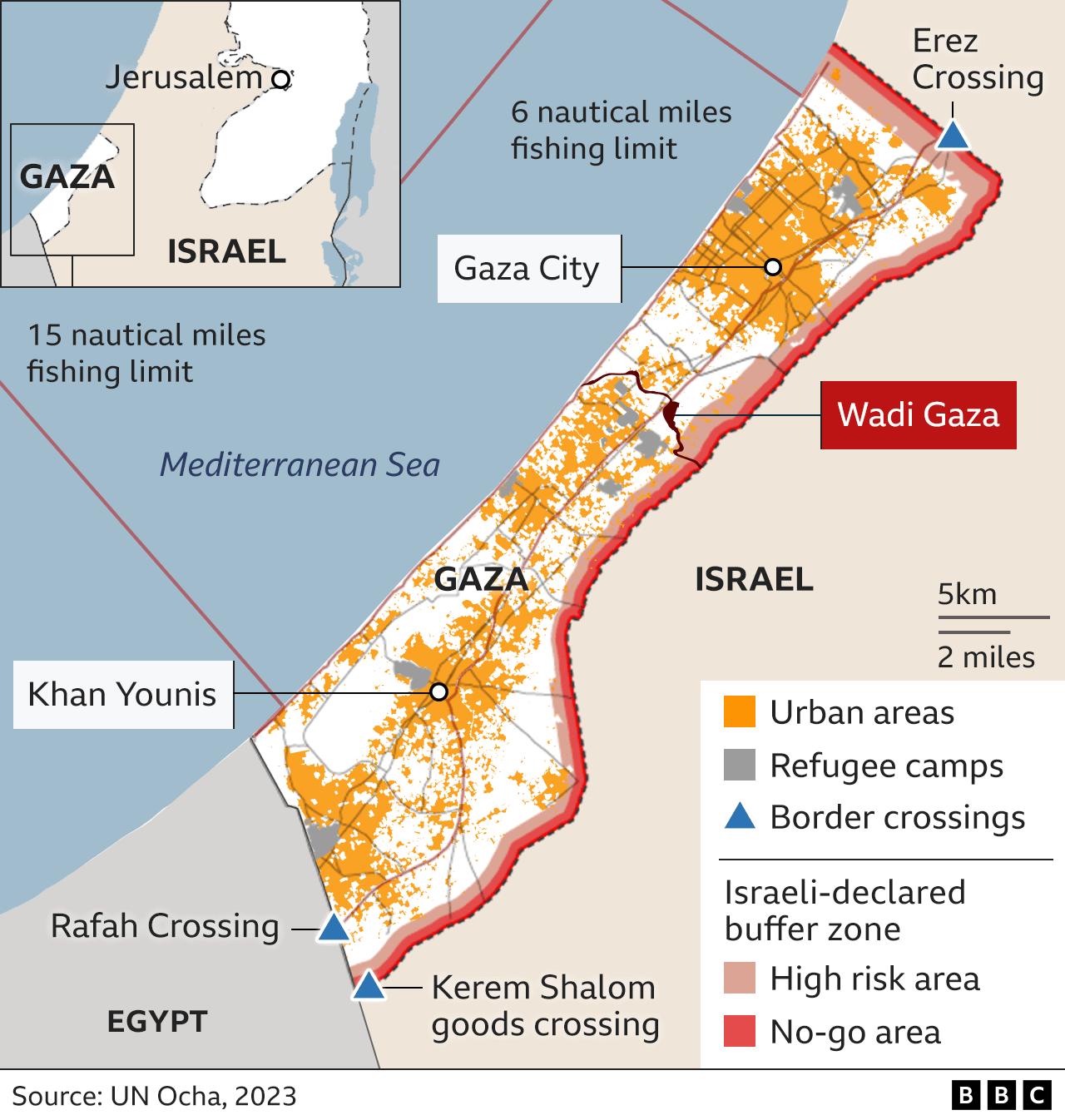
Introduction into Israel-Gaza conflict
The Israel-Gaza war (2023-present) represents one of the most digitally visible and globally mediated conflicts in history so far. Unlike earlier conflicts, where social media was not so prevalent and they primarily relied on traditional journalism. This war has unfolded in real time across all social media platforms including TikTok, Instagram, YouTube, Facebook and X (formally known as Twitter). These many platforms have made the rapid circulation of images, videos, commentary and live updates possible, from both official and civilian sources.
As a result, the conflict is not only experienced as a geopolitical event but also as a highly networked media phenomenon. Information is continuously produced, shared, and interpreted by users across global digital spaces, shaping how public understanding of the conflict is formed. This makes the Israel–Gaza war a significant case study for examining how contemporary media systems influence participation, visibility, and information flow in global communication environments.

Social Media as a Networked Information Environment
Social media platforms have functioned as the primary space for real-time communication about the conflict. Short-form videos, livestreams, reposted news clips, and user commentary circulate rapidly across platforms, often going 'viral' and reaching audiences around the world within minutes. Unlike traditional media systems, where editorial processes filter and verify information before publication, digital platforms allow content to be published instantly and redistributed by users, whether credible or not.
This creates a highly networked information environment in which professional journalism, institutional communication, and user-generated content coexist. However, users are often exposed to differing and sometimes conflicting narratives depending on platform algorithms, engagement patterns, and geographic location. Consequently, the conflict is not experienced through a single unified narrative but through multiple fragmented and competing digital perspectives that shift and differ from the reality of the actual conflicting event.

Viral User-Generated Content and Citizen Participation
One of the most significant features of the Israel–Gaza conflict online is the widespread circulation of user-generated content, including videos recorded by civilians, reposted TikTok clips, and livestream footage. These forms of media often appear to provide immediate, unfiltered perspectives on events as they unfold.
This phenomenon demonstrates the increasing role of audiences as both consumers and producers of media content. Users actively record, edit, comment on, and distribute material related to the conflict, contributing to the construction of public narratives in real time. In this context, media audiences are no longer passive recipients of information but active participants in its production and circulation.
However, this also raises questions about credibility and verification, as emotionally powerful content often circulates faster than verified journalistic reporting. The prominence of user-generated footage illustrates how digital media systems prioritise visibility and engagement, sometimes at the expense of accuracy.
#Activism and Digital Mobilisation
Hashtag activism has played a central role in shaping global awareness and engagement with the conflict. Campaigns and hashtags related to the Israel–Gaza war have trended across multiple platforms, enabling users to participate in collective expressions of support, solidarity, and political opinion.
These digital movements demonstrate how media content now flows across cultural and geographic boundaries, allowing global audiences to engage with the same issue simultaneously. Fundraising links, awareness campaigns, and digital protests are frequently shared through interconnected platforms, contributing to large-scale online mobilisation.


Algorithmic Amplification and Visibility Bias
The visibility of conflict-related content is heavily influenced by platform algorithms, which prioritise engagement-based metrics such as likes, shares, and watch time. As a result, emotionally intense or visually striking content is often amplified more widely than neutral or verified information.
This algorithmic filtering shapes what users see and engage with, meaning that public understanding of the conflict is partially constructed by platform design rather than purely by user choice. Different users may therefore encounter significantly different narratives depending on their online behavior and platform environment.
This uneven distribution of visibility raises important questions about how digital platforms influence public discourse. Rather than functioning as neutral spaces, social media platforms actively shape the flow and prominence of information within the digital public sphere.
Institutional Communication and Crisis Messaging
Governments, humanitarian organisations, and media institutions have also used social media to communicate during the conflict. These organisations publish official statements, updates, and reports in real time to inform global audiences and shape public understanding.
This form of communication reflects the evolving nature of crisis communication in digital environments. Unlike traditional crisis messaging, which relied on controlled media channels, contemporary communication occurs in open and highly visible online spaces where messages can be immediately scrutinised, challenged, or reshared by the public.
As a result, institutional communication now operates within a contested information environment where credibility is continuously negotiated. Multiple actors, including citizens, journalists, and organisations—compete to shape how the crisis is understood

Cross-Platform Information Flow and Media Convergence
A defining feature of the conflict’s online presence is the movement of content across multiple platforms. Videos and narratives often originate on one platform and are subsequently reposted, remixed, or reinterpreted on others, such as TikTok, X, Instagram, and YouTube.
This cross-platform circulation demonstrates the interconnected nature of contemporary media systems, where content is not confined to a single medium but flows continuously across digital networks. As a result, users engage with a converged media environment in which boundaries between platforms, genres, and roles are increasingly blurred.
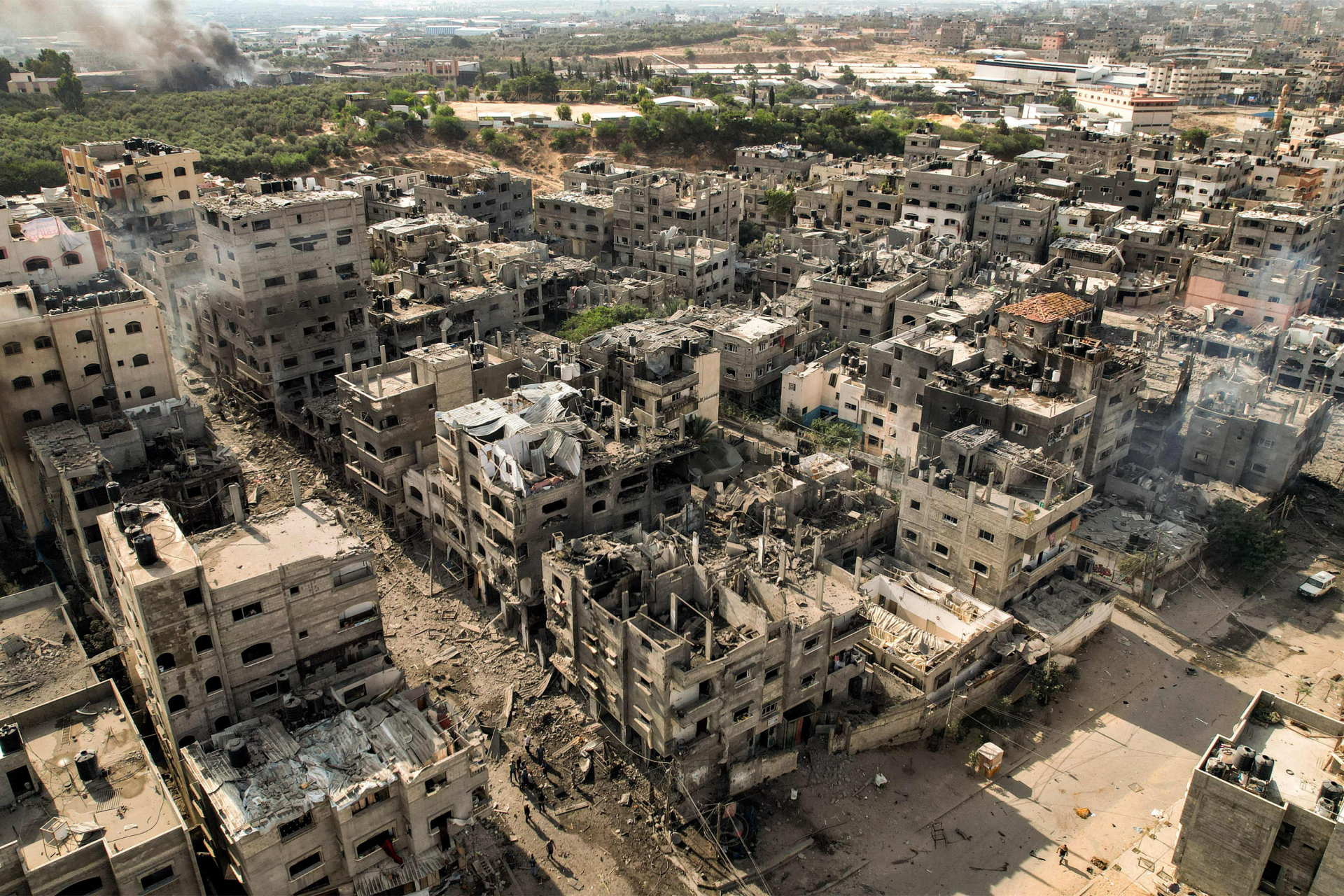
Transition to Theoretical Analysis
The digital circulation of information surrounding the Israel–Gaza conflict demonstrates that contemporary media environments are shaped by complex interactions between users, platforms, and institutions. Content is produced and redistributed by individuals, amplified by algorithmic systems, and interpreted through competing institutional and cultural frameworks.
These dynamics highlight the need for theoretical approaches that can explain how public discourse, participation, visibility, and misinformation operate within networked communication systems. The following section applies key media and communication theories to analyse these processes in greater depth.
Create Your Own Website With Webador